

THE PERFECT FIT EVERY TIME
The textile industry has evolved over time creating the path for continuous development of new performance technologies with fashionable aesthetic effects to suit market trends.
We offer a wide spectrum of products for different stages of textile processing through pretreatment, dyeing, washing-off, after treatment, finishing, and special effects. Our close cooperation with our trusted partners results in a versatile product portfolio that is continuously updated to be in line with the innovative demands of the customer to keep up with the latest trends.
Pretreatment
Pre-treatments are being carried out to prepare textile materials for subsequent processes such as dyeing, printing, chemical finishes, etc.
Dyeing
Pre-treatments are being carried out to prepare textile materials for subsequent processes such as dyeing, printing, chemical finishes, etc.
Enzymes
Pre-treatments are being carried out to prepare textile materials for subsequent processes such as dyeing, printing, chemical finishes, etc.
Finishing
Pre-treatments are being carried out to prepare textile materials for subsequent processes such as dyeing, printing, chemical finishes, etc.
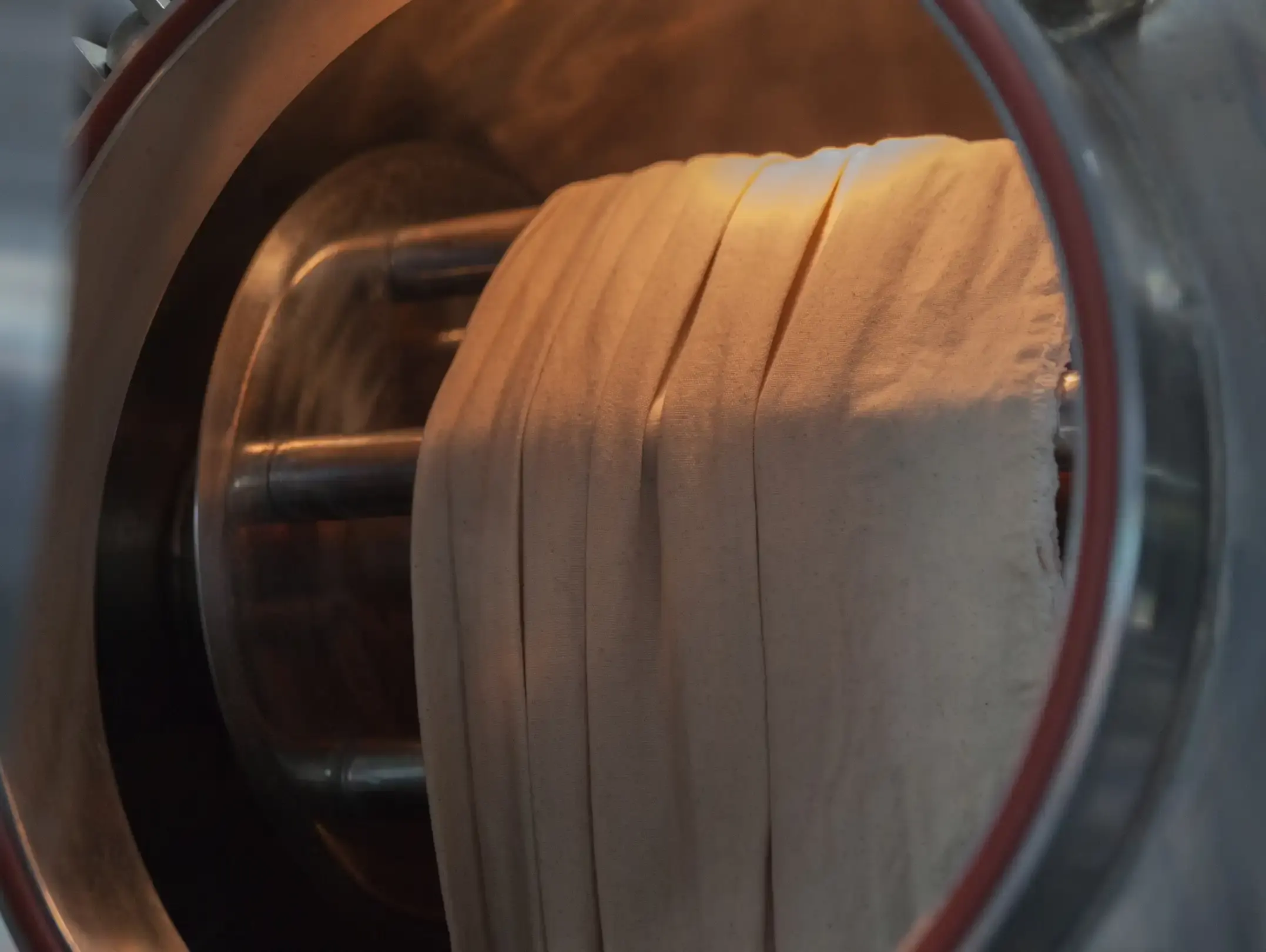
Pretreatment Specialities
- Sequestering Agents: Work by complexing with or removing disruptive alkaline earth ions and water hardeners.
- Detergents and Wetting Agents: Are essential for cleaning all types of textiles.
- Bleaching Agents: Perform special functions during the bleaching of cotton or viscose with hydrogen peroxide.
Dyeing Specialities NOVATEX Series
- Dispersing Agents: Ensure even distribution of dye in the dye bath.
- Sequestering Agents: Bind with hard water components and prevent precipitate formation.
- pH Regulating Agents, Buffering Agents, Alkali and Acid Donors: Ensure necessary dyeing pH values are achieved.
- Wetting Agents, Deaerators, Padding Auxiliaries: Are additives that ensure good wetting, deaeration and defoaming and prevent undesired dye migration during continuous processing.
- Levelling Agents, Dye Carriers: Reduce and even out the dye strike rate for level dyeing.
- Crease Preventing Agents: Optimise sliding properties, reduce mechanical resistance and minimise the formation of creases during dyeing.
- Aftertreatment Agents: Improve the colour fastness and thus other textile characteristics such as wash, water, perspiration, chlorine and rub fastness.
- Wetting Agents, Deaerators, Padding Auxiliaries: Are additives that ensure good wetting, deaeration and defoaming and prevent undesired dye migration during continuous processing.
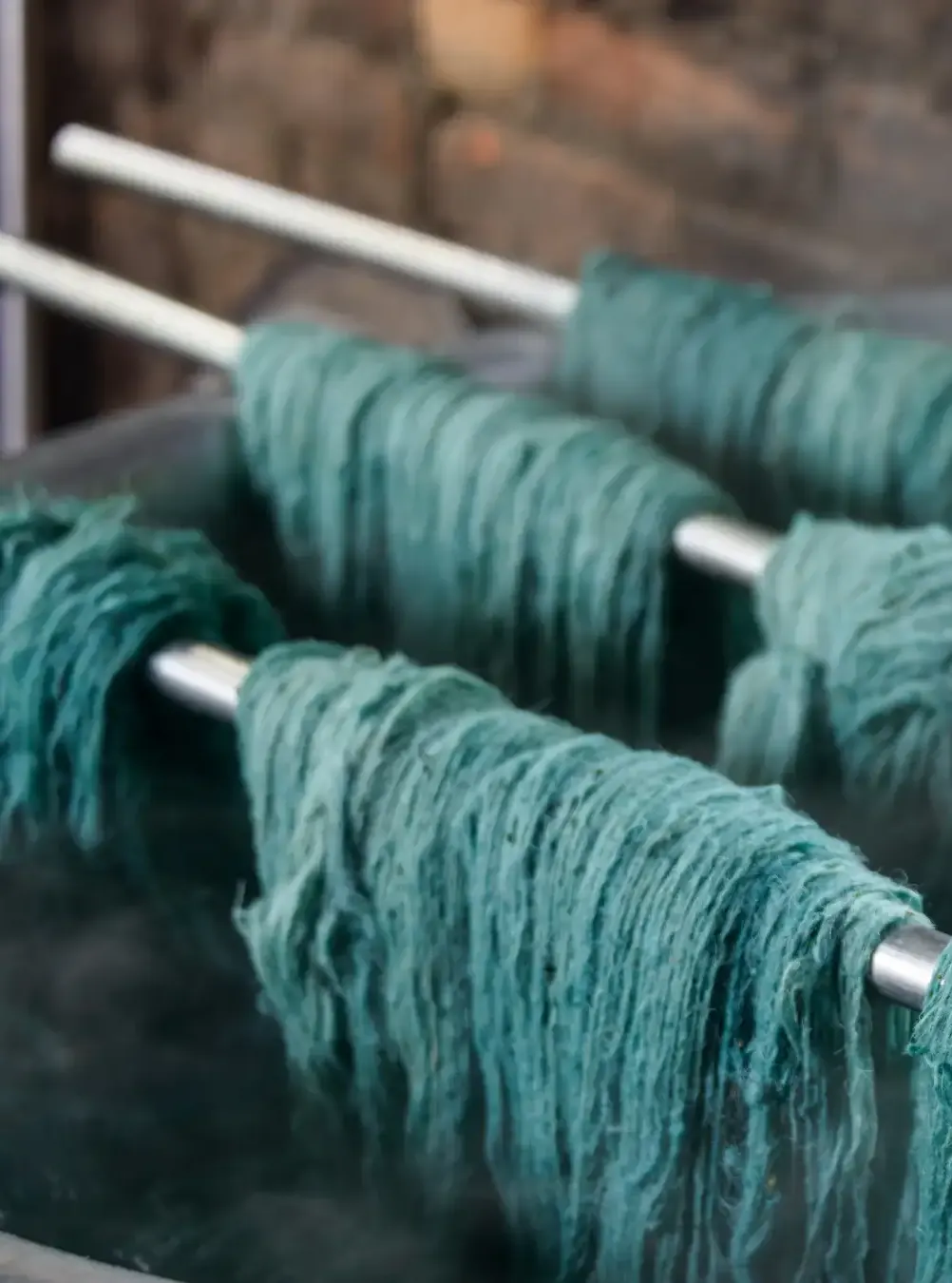
Specialty enzymes for Textiles
Enzymes are biological polymers that act as biocatalysts. Enzymes accelerate the chemical reaction by lowering the activation energy. Enzymes differ from most other catalysts by being much more substrate-specific. Enzymes convert reactants (substrate) into the product without getting altered, so a small amount of enzyme is enough to convert a large amount of the substrate into a product. Enzymes are also used for their non-toxicity, biodegradability &easy to control characteristics.
The use of enzymes in the textile industry is one of the most rapidly growing fields in industrial enzymology. The enzymes used in the textile field are amylases, cellulase, catalase, pectinase, and laccase, which are used to removing the starch, breaking protruding cellulose fiber, degrading excess hydrogen peroxide, breaking pectin bond, and degradation of indigo dye.

Bio De-sizing
Bio Scouring
Bio Polishing
Bio Fading
Finishing Specialities NOVACORD Series
- Softeners: Are essential for a comfortable handle and improving the physical properties of woven and knitted textiles.
- Water and Oil Repellent Agents: Are indispensable in the field of technical textiles.
- Stiffening and Filling Agents: Enable a large selection of handle qualities.
- Hydrophilic Finish, Soil Release: Improve the physiological clothing parameters of synthetic fibres.
- Defoamers: Reduce foam formation in all aqueous processes.